Drywall Water Damage Repair in Alpharetta, GA
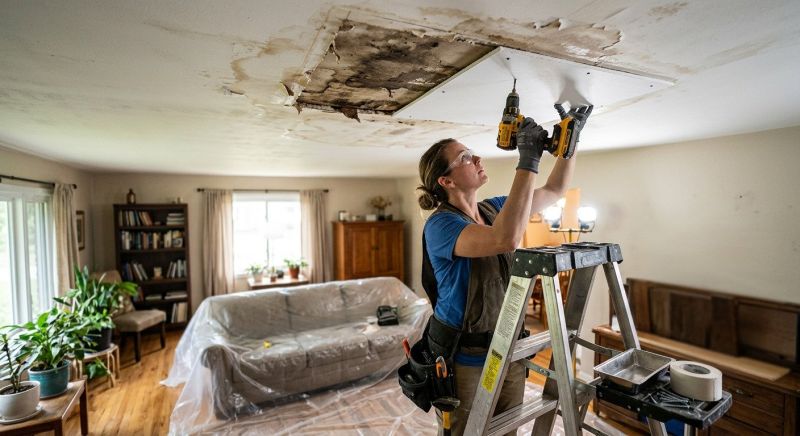
Drywall water damage repair involves assessing and restoring drywall surfaces that have been affected by moisture, leaks, or flooding. This service covers a variety of projects, including fixing water stains, replacing severely damaged drywall, and ensuring the structural integrity of walls in residential properties. Homeowners typically want to understand the extent of damage, the process involved in repair, and whether any mold or secondary issues need to be addressed as part of the restoration.
Before requesting drywall water damage repair, property owners often seek clarity on the scope of work, the potential for hidden damage behind walls, and the necessary steps to prevent future issues. It is also common to inquire about the timeline for repairs and any preparations needed to facilitate the process. Understanding these aspects helps ensure the restoration is thorough and that the property remains safe and visually appealing after repairs are completed.
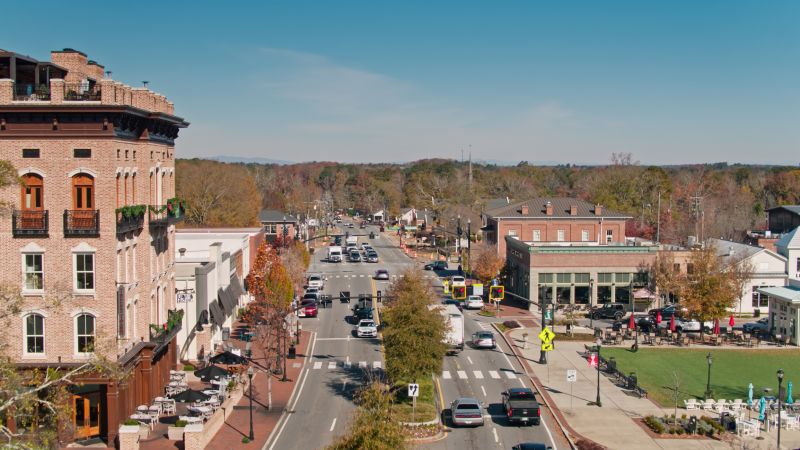
Many property owners in Alpharetta, GA look into Drywall Water Damage Repair for repairs, replacements, upgrades, and appearance-related improvements.
Identifying Water Damage In Drywall
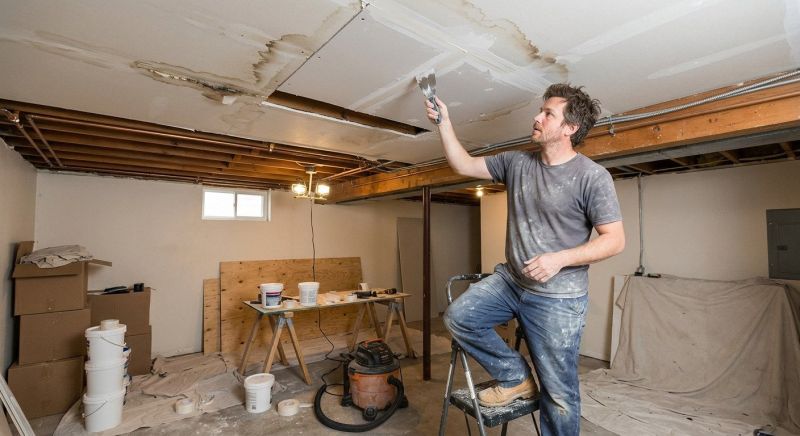
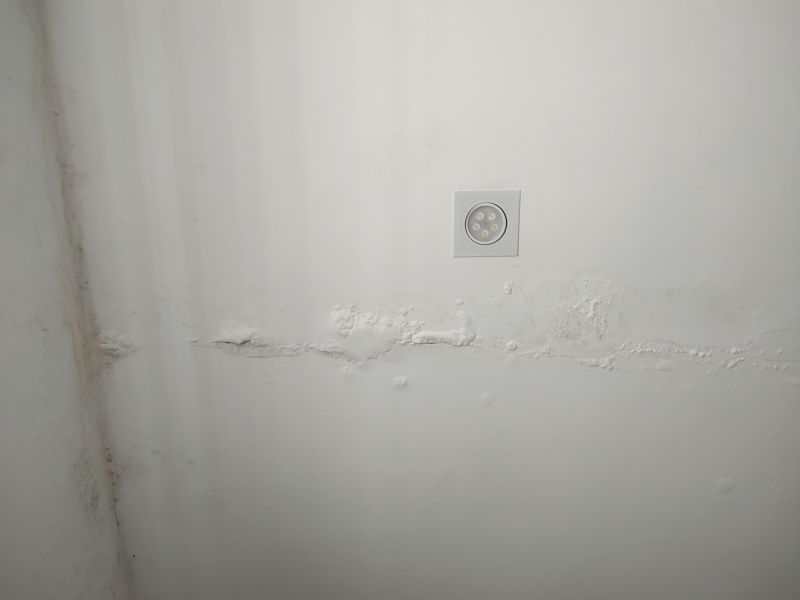
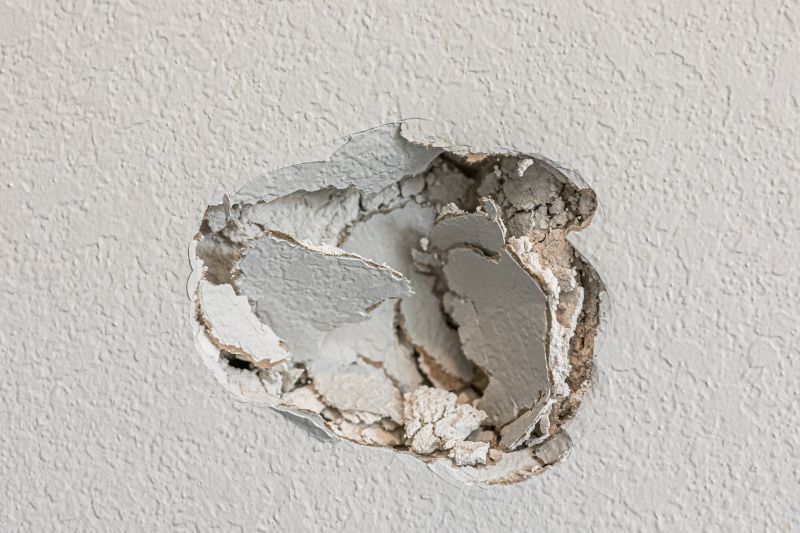
Signs of water damage include discoloration, peeling paint, and warped surfaces in drywall.
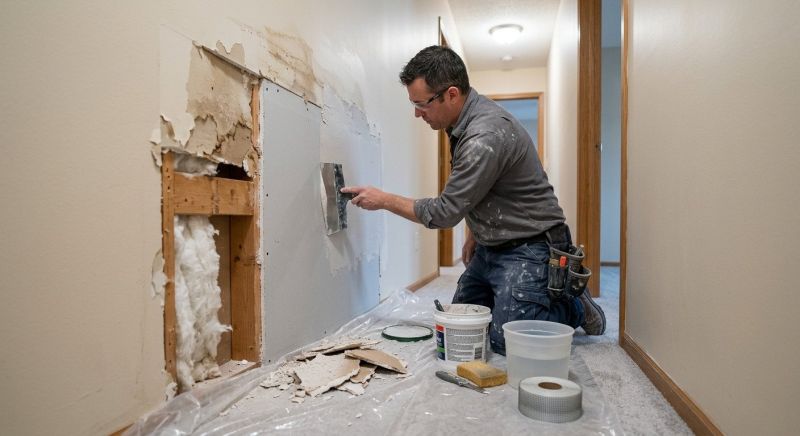
Restoration And Repair Solutions
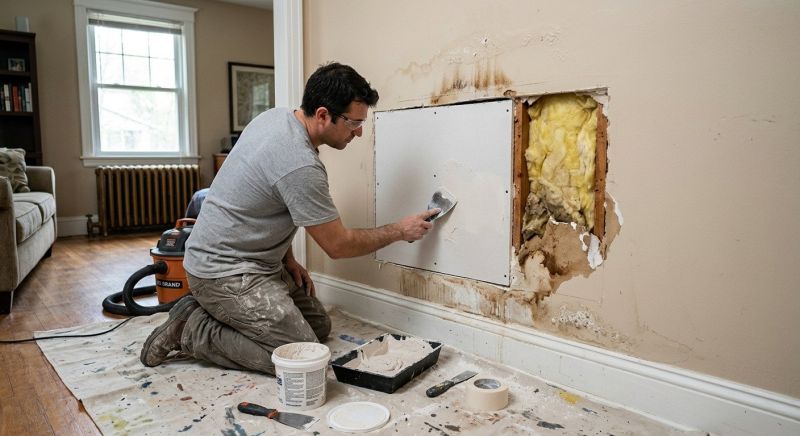
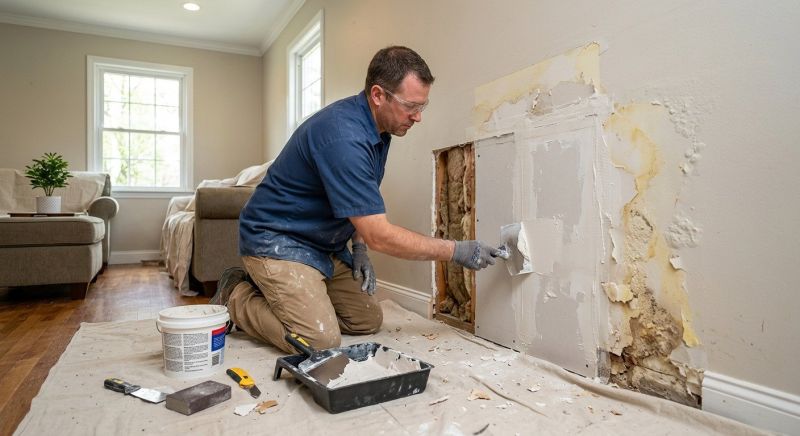
Effective drywall water damage repair involves removing affected areas, drying, and restoring the wall's integrity.
Preventive Measures For Drywall Protection
Addressing leaks promptly and maintaining proper ventilation can help prevent future water damage in drywall.
Drywall Water Damage Repair in Alpharetta, GA
Drywall water damage repair involves assessing and restoring drywall surfaces that have been affected by moisture, leaks, or flooding. This service covers a variety of projects, including fixing water stains, replacing severely damaged drywall, and ensuring the structural integrity of walls in residential properties. Homeowners typically want to understand the extent of damage, the process involved in repair, and whether any mold or secondary issues need to be addressed as part of the restoration.
Before requesting drywall water damage repair, property owners often seek clarity on the scope of work, the potential for hidden damage behind walls, and the necessary steps to prevent future issues. It is also common to inquire about the timeline for repairs and any preparations needed to facilitate the process. Understanding these aspects helps ensure the restoration is thorough and that the property remains safe and visually appealing after repairs are completed.
Many property owners in Alpharetta, GA look into Drywall Water Damage Repair for repairs, replacements, upgrades, and appearance-related improvements.
Common Drywall Water Damage Repair Jobs
Drywall Water Damage Repair - Restores damaged drywall caused by leaks or flooding.
Water Damage Assessment - Identifies the extent of moisture intrusion behind walls.
Drywall Replacement - Replaces sections of drywall that cannot be salvaged.
Mold Prevention - Addresses moisture issues to prevent mold growth after water exposure.
Drywall Drying - Uses specialized equipment to remove residual moisture from affected areas.
Surface Finishing - Provides seamless patching and finishing for a smooth, like-new appearance.
Drywall Water Damage Repair Questions
What causes drywall water damage? Water leaks, plumbing issues, or roof leaks can lead to drywall water damage, resulting in stains, warping, or mold growth.
How can water damage affect drywall? Water damage can weaken drywall, cause paint to peel, promote mold growth, and compromise the wall’s structural integrity.
What are common signs of drywall water damage? Signs include discoloration, bubbling or peeling paint, soft spots, and a musty odor near affected areas.
Is drywall water damage repair necessary? Yes, repairing water-damaged drywall helps prevent mold growth, restores appearance, and maintains property value.
Request Drywall Water Damage Repair in Alpharetta, GA
Use the quote form on this page to share the basics of your project and request more information for the type of work you need.